
The Thrill of Anticipation
The psychology of winning at casinos begins with the thrill of anticipation. Gamblers often experience a heightened sense of excitement when placing bets, waiting to see if they have made the right choice. This anticipation triggers the brain’s reward system, releasing dopamine, a chemical associated with pleasure. This feeling not only makes the act of gambling enjoyable but also encourages players to continue engaging in the activity, fueling the desire to win even more. Some players might even explore poker online real money options as a way to enhance their gaming experience.
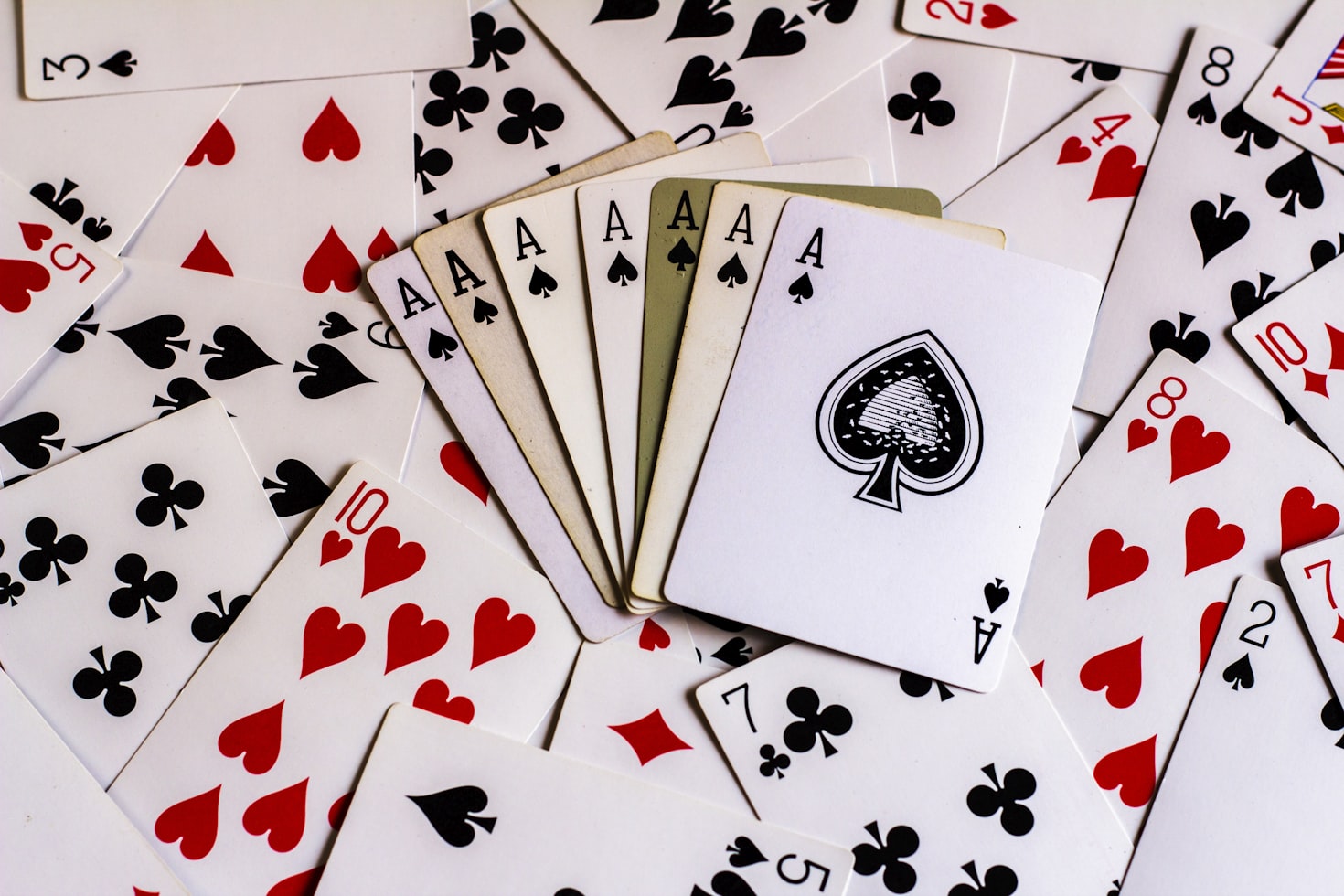
This psychological phenomenon is not limited to the outcome of the games but extends to the environment of the casino itself. The vibrant lights, sounds of coins clinking, and celebratory noises from other players create a stimulating atmosphere that amplifies the excitement. This sensory overload can lead to a compulsion to play more, as gamblers often believe they are on the brink of a big win, reinforcing their connection to the game.
Risk and Reward: The Gambler’s Mindset
The concept of risk versus reward plays a crucial role in gambling psychology. Players often assess the odds and their personal risk tolerance before placing bets, a behavior influenced by cognitive biases. For example, many gamblers fall victim to the «gambler’s fallacy,» where they believe past outcomes will influence future results. This fallacy can lead to increased betting as players chase losses, convinced that a win is just around the corner. A well-known phenomenon is the allure of the significant jackpots, which often attracts players to higher-stakes options.
Moreover, the lure of winning big can manipulate a player’s decision-making process. The potential for significant rewards can overshadow the reality of the odds, causing individuals to take irrational risks. This disconnect between perceived odds and actual probabilities can create a cycle of chasing losses and, ultimately, higher losses as players seek the thrill of a win.
The Role of Emotions in Gambling
Emotions significantly influence gambling behavior. Positive emotions can enhance the experience, leading players to feel more confident and willing to take risks. Conversely, negative emotions, such as frustration or disappointment, can result in impulsive decisions, leading to further gambling attempts in hopes of recouping losses. Understanding this emotional rollercoaster is vital for both players and operators in the gambling industry.
Casinos often exploit this emotional aspect by leveraging marketing strategies that create a sense of community and camaraderie among players. Social interactions during gameplay can enhance feelings of belonging, making the gambling experience more captivating. This social dynamic can increase the time spent in casinos, as individuals not only chase the chance of winning but also relish the environment and connections made with others.
Understanding the House Edge
An essential aspect of casino gambling is understanding the house edge, the mathematical advantage that the casino has over players in any given game. This concept is crucial for gamblers to grasp, as it shapes their expectations regarding winning and losing. The house edge is designed to ensure that, over time, the casino remains profitable, regardless of short-term wins by players.
Cognizant of this fact, savvy gamblers often look for games with a lower house edge, knowing that it increases their chances of a favorable outcome. However, the emotional high of winning can overshadow this rational thought, leading players to ignore the mathematical realities of gambling. Recognizing this tension between emotion and logic is crucial in developing a successful gambling strategy.

Engaging with the Gambling Community
The online gambling community is diverse, providing a platform for players to share experiences, strategies, and support. Engaging with others can enhance the psychological experience of gambling, offering insights that may lead to smarter betting choices. Moreover, as players interact, they often develop a sense of accountability, which can help in managing gambling habits.
It is essential for players to approach this community with an understanding of the potential pitfalls, as the same environment that fosters positivity can also lead to destructive behaviors. Recognizing when to seek help or take a break is vital in maintaining a healthy relationship with gambling, ensuring that it remains a form of entertainment rather than a source of stress or financial strain.