
Tracing the historical evolution of gambling From ancient games to modern casinos
Origins of Gambling in Ancient Civilizations
The roots of gambling can be traced back to ancient civilizations, where games of chance were often intertwined with rituals and beliefs. Archaeological findings suggest that ancient Chinese, Egyptian, and Roman societies engaged in various forms of gambling. For instance, the Chinese used dice around 2300 B.C., while the Romans indulged in betting on gladiatorial contests and chariot races. These early games served not only as entertainment but also as a reflection of social hierarchies and community bonding. Interestingly, many players find that the best online casinos today echo the excitement felt in those ancient times.
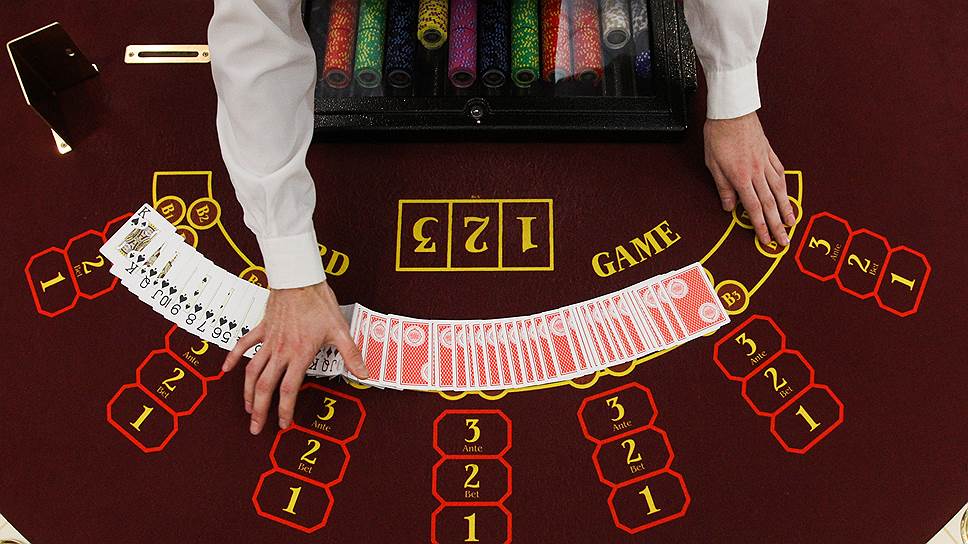
In addition to entertainment, gambling in these early societies often had religious connotations. Many cultures viewed games of chance as a way to communicate with deities or to divine the future. This sacred aspect added a layer of complexity to gambling, making it both a personal and a communal experience. The integration of luck and fate into these early gambling practices has influenced modern perceptions of the gaming industry.
The Middle Ages and the Rise of Gambling Games
The Middle Ages saw significant developments in gambling, particularly in Europe. The introduction of playing cards in the 14th century marked a transformative moment in gambling history. Card games quickly gained popularity, leading to the establishment of gaming houses where enthusiasts could place bets. These establishments varied from informal taverns to organized venues, laying the groundwork for modern casinos.
During this period, gambling became more regulated. Various laws emerged, with some regions promoting gaming as a means of generating tax revenue. This regulatory framework aimed to curb illegal gambling practices and to provide structure to the burgeoning industry. The establishment of lotteries also emerged during this time, allowing governments to fund public projects while engaging citizens in a game of chance.
The Enlightenment and the Birth of Modern Gambling
The Enlightenment era brought about significant societal changes, including attitudes toward gambling. As rational thought began to dominate, gambling started to be viewed through a more scientific lens. The development of probability theory in the 17th century revolutionized gambling strategies, enabling players to make more informed decisions. This shift contributed to the emergence of more sophisticated games such as roulette and baccarat.
By the 18th and 19th centuries, gambling had evolved into a structured industry. The establishment of casinos in France and later in other parts of Europe set the stage for organized gambling. These venues attracted a diverse clientele, from aristocrats to commoners, fostering an inclusive atmosphere where everyone could partake in the thrill of chance. This era marked a crucial transition from informal betting to a formalized gambling culture.
The Modern Casino Era and Online Gambling
The 20th century witnessed the global proliferation of casinos, particularly in places like Las Vegas and Monte Carlo, which became synonymous with luxury and entertainment. These modern casinos offer a variety of games, from slot machines to poker tournaments, appealing to a wide range of players. The industry’s focus on customer experience has led to the development of extravagant resorts, dining options, and entertainment shows, turning casinos into comprehensive leisure destinations.
The rise of the internet in the late 20th century transformed gambling once again. Online casinos emerged, allowing players to engage in their favorite games from the comfort of their homes. This shift not only expanded the reach of gambling but also introduced new forms of gaming, including virtual sports and live dealer experiences. Today, online gambling continues to grow, driven by advancements in technology and changing consumer preferences.

Conclusion and Insights from JudicialSelection.us
Throughout history, gambling has evolved from ancient rituals to a multi-billion-dollar industry that captivates millions worldwide. Its journey reflects societal changes, technological advancements, and shifting cultural attitudes. Today, understanding the legal framework surrounding gambling is crucial, as regulations continue to adapt to the ever-changing landscape.
Resources such as JudicialSelection.us offer valuable insights into the legal aspects surrounding gambling and other judicial matters. By providing information on judicial selection and evaluation, this platform empowers citizens to engage meaningfully with the processes that govern their lives. As the gambling industry evolves, staying informed is essential for making educated decisions, both as participants in gaming and as engaged citizens.