

Immersive Design and Emotional Pull
Every successful online casino is built not only on its games but also on the atmosphere it creates. The power of design details in digital gambling platforms is often underestimated. A muted color in the background or a particular animation speed might seem trivial, but they’re subtle cues guiding a player’s emotions. As I explored www.playkingjohnnie.com, I noticed how polished yet inviting the lobby felt, far from the cluttered chaos some sites carry. It’s like stepping into a carefully designed space where every element has a purpose beyond appearance—something quietly persuasive.
Design isn’t just about color palettes. It shapes how we perceive fairness, comfort, and even time passing. The way buttons glow slightly or how coins scatter when a win lands—all orchestrated forms of digital empathy aiming to keep us connected.
The Sound Depth of Virtual Casinos
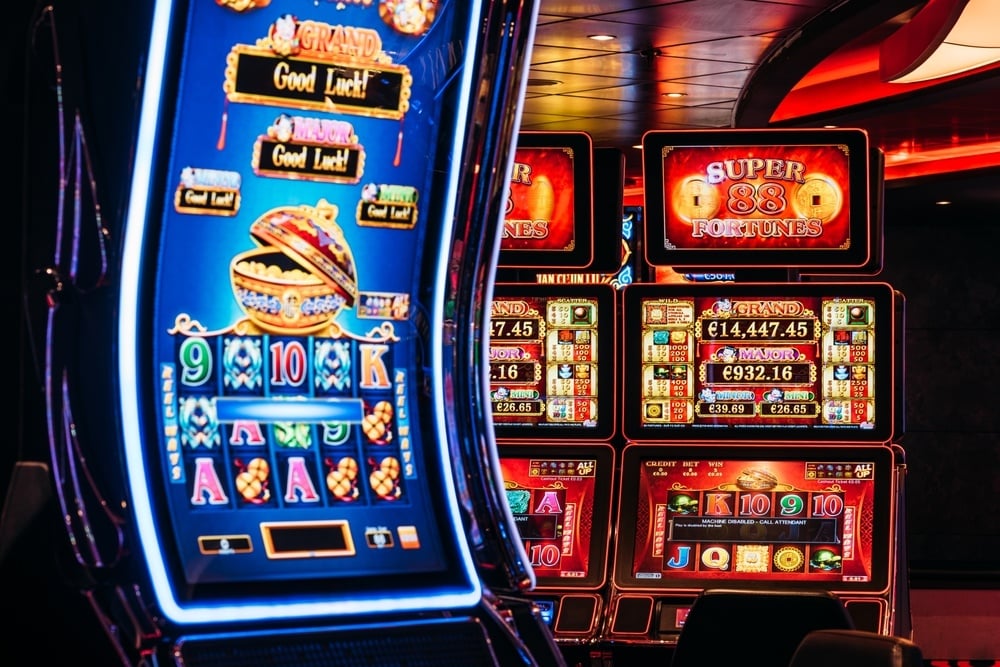
Sound may be invisible, yet it’s one of the strongest anchors of immersion in any casino world. A good slot isn’t just random reels and bright images; it’s layered with soundscapes that pulse in sync with the rhythm of chance. There is something oddly calming about the mix of jingles, card flips, and soft chatter in the background—it makes a player’s digital environment feel almost physical.
Consider the difference between silence and a dynamic ambient track. The latter gives soul to interaction. Developers meticulously match the tone of audio cues with the stage of gameplay: anticipation sounds softer, victory notes louder but not jarring. They design progression through sound, drawing emotion from our subconscious, reminding us of real-life casino tables.
The Anatomy of Audio Layers
When breaking down how sound forms engagement, I realized there’s a deliberate layering strategy. The base layer might be ambient, simulating gentle casino bustle. Over it lies a system of responsive cues—subtle clicks for menu navigation or mechanical tones for reel spins. On top, celebratory bursts punctuate achievements. Not too frequent, otherwise fatigue sets in.
Crafting the User Interface Experience
Before diving into cards or slots, a user first interacts with layout logic. A cluttered homepage can turn excitement into irritation in seconds. The art lies in making navigation so smooth that users barely notice it. Slow animation timing, too-bright banners, and obstructive pop-ups can ruin flow. Developers and designers constantly test these elements—fine-tuning color contrast, transition speed, and typography readability.
Even brand positioning ties to such choices. For instance, premium casinos opt for refined tones, minimalist controls, and restrained animations, while playful brands rely on saturation, quirky motion, or exaggerated icons. There’s no “right” look; it’s about intention behind the digital scenery.
The Emotional Science of Interface
Interfaces can create trust or suspicion. Players often subconsciously equate a well-designed casino dashboard with legitimacy. Smooth registration processes or unobtrusive bonus notifications tell the player they’re in responsible hands. Complexity creates friction—simplicity creates flow. The longer a player remains comfortably navigating, the deeper their engagement.
Sensory Psychology Behind Player Retention
When you think of why people return to an online casino, it’s rarely the payout odds alone. Emotional memory plays a defining role. The color that framed their first win, the audio spark that celebrated it—these become triggers calling them back. Designers subtly weave continuity between sessions, using gentle repetitions of visuals or sounds that foster a sense of familiarity.
How the Brain Reacts
Human brains reward patterns. So, layered stimuli like predictable yet dynamic motion patterns or emotionally tuned sound intervals become gratifying. The system feels alive, responsive. That sense of responsiveness nurtures trust, and trust fuels engagement.
Practical Breakdown of Atmospheric Design
Looking deeper into how this happens, here’s how designers tend to approach immersion in casino platforms:
- Establish a foundational theme that will shape every sensory choice, often tied to game identity (classic, futuristic, luxurious).
- Define matching color psychology and sound frequencies—the brighter the atmosphere, the higher-pitched and faster the cues.
- Test navigation flow with real users, adjusting layout balance and response times based on stress or satisfaction reports.
- Integrate all elements harmoniously so that nothing stands out unnaturally or distracts from gameplay.
- Repeat sensory motifs strategically across sections, reinforcing brand recall and comfort.
Each stage feeds directly into perception management. A single glitch—a lagging bonus animation, an offbeat tone—can break the spell of immersion instantly.
Innovation Meeting Imagination
The next evolution of casino worlds relies on how technology meets psychology. Virtual reality headsets already allow players to explore near-physical gaming floors, surrounded by immersive acoustics and lifelike slot machines. But even outside full VR, modern platforms use subtle 3D rendering, responsive lighting, and motion parallax to simulate spatial depth.
I once spent a long evening testing several newer slot UIs—angular lights, cascading graphics, ambient music shifting from realism to fantasy. Some felt overly intense, but a few struck the perfect balance. It’s fascinating how pushing sensory realism too far can have the opposite effect: the uncanny valley of design. So developers tread a fine line between vividness and comfort.
Conclusion
Design and sound act as the twin forces that define the identity of any casino platform. Whether it’s a seamless layout that feels natural or the background hum of anticipation before reels stop spinning, these elements jointly nurture engagement and trust. Immersion isn’t about overwhelming the senses but harmonizing them. Good design whispers rather than shouts, guiding attention and mood. In that equilibrium between realism and fiction, players find worlds they want to stay in longer than they intended—without even realizing why.
FAQ
Q: Why do design details matter so much in online casinos?
A: They directly influence how players feel, how they move through the site, and whether they choose to return. A good layout and visual balance reduce cognitive strain and foster trust.
Q: What role does sound really play in this?
A: Sound anchors emotion. It creates rhythm and energy that visuals alone cannot convey, reinforcing excitement or calm at just the right moments.
Q: Can immersive environments lead to player fatigue?
A: Yes, if overstimulated. That’s why expert designers calibrate effects carefully, aiming for engagement rather than overwhelm.
Q: How do casinos test their design effectiveness?
A: Through A/B testing, behavioral analytics, and sometimes even biometric tracking—checking eye movement, reaction times, or emotional cues during play.